
Neonatal service expansion at the Princess Royal University Hospital (PRUH)
24 June 2026 - Babies who are born early can stay closer to home
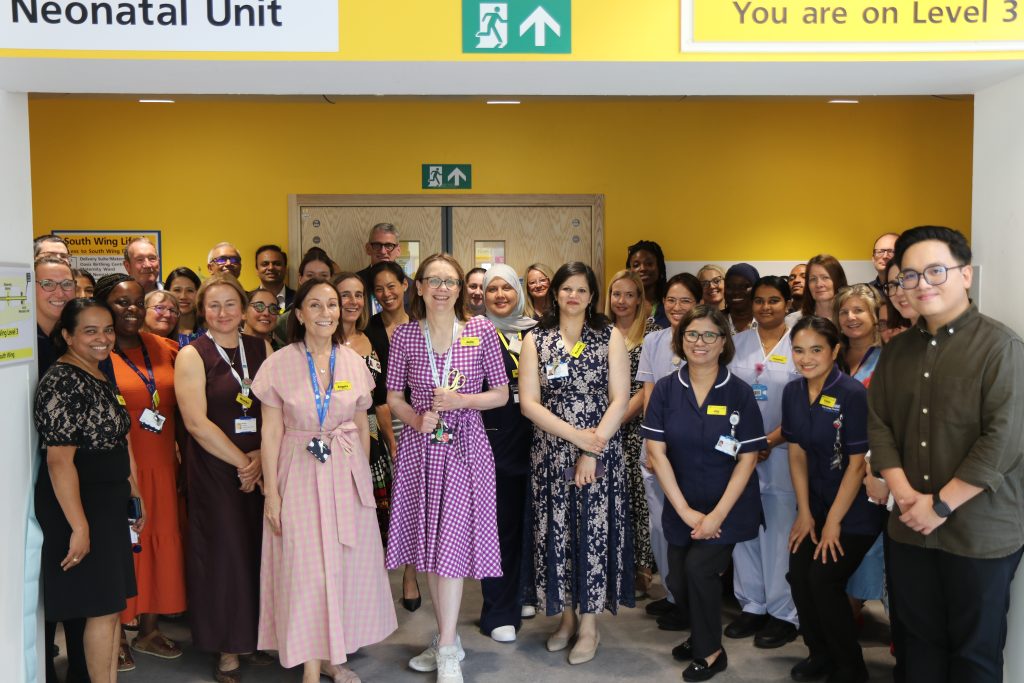
Neonatal services at the Princess Royal University Hospital (PRUH) have been expanded and upgraded, and can now care for babies born much earlier.
Previously, the hospital had a Special Care Baby Unit (SCBU), which could care for babies born at 32 weeks of pregnancy or later, and was only able to provide special care for the babies.
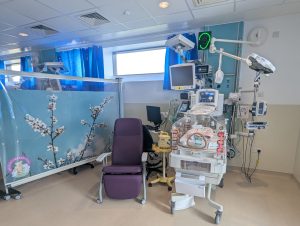
However, the SCBU at the PRUH has now been expanded and upgraded, and is now officially designated as a Local Neonatal Unit (LNU), which means the hospital can now treat babies born from 27 weeks of pregnancy onwards.
Specialists on the unit can now ensure more premature babies receive their care they need closer to home, whilst also reducing the number of babies that need to be transferred to other hospitals.
The new LNU also has a total of 15 neonatal cots: three more than were previously housed in the hospital’s SCBU.
The LNU provides short-term intensive, high dependency and specialist care, across two large nurseries and two side rooms.
The care extends beyond the initial birthing stage, and includes those babies needing ongoing treatment or recovering from surgery.
These enhanced services strengthen support across the neonatal network in London and Kent. The expansion, funded by NHS England and supported by the London Neonatal Operational Delivery Network (ODN), provides not just extra capacity, but also increased floor space to facilitate further family-centred care.
Dr Rashmi Gandhi, Lead Consultant Neonatologist for LNU at the PRUH, said:
“An estimated 58,000 babies are born prematurely in the UK every year and as a provider of specialist services, our hospitals treat some of the sickest and smallest.
“For those families living locally, being able to stay close to home will offer much needed comfort for families when they are often at their most vulnerable – reducing the need to travel long distances, whilst ensuring their babies continue to receive high-quality care.
“The expansion at the PRUH has already started to make a significant difference to the neonatal capacity across south-east London and will continue to benefit babies and their families across the patch.”
As part of the refurbishment, the LNU has benefitted from the donation of a portable transport incubator funded by King’s College Hospital Charity. This specialist piece of equipment allows for safer transfers for babies by providing temperature control, respiratory ventilation and continuous monitoring.
Iona Joy, Director of Grants and Insight at King’s College Hospital Charity, said:
“We’re proud to support neonatal care at the Princess Royal University Hospital in different ways. This includes providing a transport incubator for the new Local Neonatal Unit, thanks to the generosity of one of our donors, The Catherine Cookson Charitable Trust.
“We have also funded the innovative vCreate app. This enables neonatal teams to securely send regular photo and video updates to parents of newborns at times when they are unable to be with their baby, helping to reduce separation anxiety and keep families connected.”
The charity Special Care Baby Fund has further enhanced the space by funding new equipment and furniture for the unit. Items funded by the charity include milk bags, sterilising kits, cots, pull-out beds, visitor chairs, privacy screens, and breast-feeding recliner chairs.
Professor Clive Kay, Chief Executive of King’s College Hospital NHS Foundation Trust, said:
“These enhanced facilities match the exceptional care that our teams deliver every day for some of the most vulnerable babies and their families. This expansion would not have been possible without the hard work and dedication of the team at the PRUH, who continue to put patients at the heart of everything they do. As a result, more families can stay together with their babies, at a time when it matters the most.”
If you are a journalist and would like to find out more about this story, please contact us at [email protected]